REPRESENTING THE LARGEST COLLECTION OF 2X2 HISTORICAL DOCUMENTS ON THE INTERNET
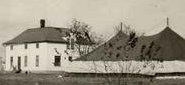 Perry, Oklahoma Conv, 1942

The Pioneering Workers
America: When
The Workers First Came to America, 1903 by George Walker
Georgia: When the Gospel Came to Georgia, 1912
Idaho: When the
Gospel First Came to the Palouse Country (Idaho), 1913
Idaho: A Brief Summary of Those who Worked in the Lewiston Idaho Area
Iowa: The First Days of the “Truth" in Iowa, 1907
Kentucky: The First Church in Hopkins County, Kentucky, 1914
Kentucky Sister Worker List
1910-1984
Nebraska: The Gospel Comes to Nebraska, 1907
North Carolina: How The Gospel Came to the Woods Family (North Carolina),
1924
North Carolina: Gospel to North Carolina by Ida H. Rhodes
South Carolina: An Account of the Gospel Reaching Our Community in 1937 (
Sumter, South Carolina USA)
Texas, West: History of West Texas Conventions by J. W. Byrd -
1922
Texas, East: History of the Work in East Texas 1930-38 by Fay (Berry) Hill
* = Workers on the 1905 List from United Kingdom
The Gospel Comes to Nebraska
Click
Here to view photo of West Point, Nebraska (1910)
The gospel first came to Nebraska in 1907. Tom Craig* and
Hugh
Doake* came from Canada with very little, to the town of
Elgin, Nebraska.
They had no place to go or address to begin. Martha Sprague’s
folks
lived just west of Elgin on a large wheat farm. They offered the
workers some money but they refused, so they asked them if they would
like
to help in the wheat field and they would pay them to work.
Martha
was home alone when they workers first came. She asked them,
"What
church do you belong to?" They answered, "We don’t belong to any
denomination, but belong to God." They stayed and had supper and
spent the night. The night before they had spent in a haystack.
They started meetings in a schoolhouse nearby, and Martha and her folks went and many of the neighbors attended the meetings. They held meetings every night of the week. Martha missed one night as she belonged to a group who met to dance and she felt she shouldn’t let her group down as they had won many prizes. But she felt so condemned she never went to the dance again. The night before she had gone to be with her group, the workers had preached on the prodigal son and feeding on husks, and she knew that was just what was in the world. Martha was the only one that professed in the mission. She was just 18 years old.
The workers started another mission about 17 miles away. She thought they had gone away but one day they walked back to have a study with Martha. They explained to her that if there were more professing people near they would have a fellowship meeting. They explained what a fellowship meeting was and how the meetings were conducted and explained other parts of the scripture that would help Martha understand better.
Later Tom Craig* and Hugh Doake* went a little further and had more meetings in a schoolhouse. They stayed with a family named the Frank Sullivans. Mrs. Sullivan, her mother, and son all professed. But not Mr. Sullivan. In this mission Anna Hestigan professed and later went into the work. She was the teacher of the schoolhouse.
Now it was near the fall and they began to think about a convention. So they explained to Frank Sullivan about convention and he said they could use his place. So the meetings were held in the schoolhouse but the people stayed at the Sullivans’ home.This first convention was at Petersburg, about twelve miles south of Elgin. About 16 workers came from the eastern states to help with the convention. Some who attended this first convention were George Walker*, William Irvine*, Jim Jardine*, Oliver Taylor, Charlotte Braden, Anna Taylor, Violet Jamieson, and Jean Craig*. This convention lasted 10 days. Every afternoon was left open for any to ask questions. They also had a baptism at this convention. Most all were baptized.
From this convention Martha went out in the work with Anna Taylor. Up until this time she had never been in a fellowship meeting. Before they left the convention grounds, a workers’ meeting was held and they divided up what money they had amongst them. They had one dollar apiece. She thought all was so nice. She saw some of the wives laying out some of their clothes and letting the sisters pick out dresses they could use as they went forth. They only carried hymn sheets with about 10 hymns on either side instead of hymn books as they carried everything as they walked. This was still in the year 1907.
After convention Martha went back home to tell her father she was going in the work. He didn’t like the idea of his daughter walking around the country, but she went anyway, Later her father came to see how she was doing, and gave her his check book, but she never used it and still has it. Martha was just one year in the work in Nebraska.When the Gospel First Came to the Palouse Country, Idaho
Written by: Esther Hedlund Anderson
March 8, 1974
Two servants of God, Tom Lyness and Donald Davidson, arrived in Viola, Idaho, during the summer of 1913 and held some meetings in a tent they set up. They held meetings for several weeks and quite a few decided to accept the Lord and the message that these ministers had been explaining from the scriptures, about how God sent out His Apostles.
Many of these people who attended the meetings got terribly angry and upset, for they could see that Tom and Donald had the Bible on their side, and several who attended a denominational church in Viola could see the difference in what they had and how they had been blinded in paying a minister to make trips from Moscow to come out and preach a sermon on Sundays, the pay coming from the congregation. Many young people attended Tom and Donald's meetings, even though the principal means of transportation was by horse and buggy! Many young people rode saddle horses, too.
One night some of the younger set decided that they were going to have some fun with the workers and they painted "Devil's Hotel" on the tent, along with "Mutt and Jeff, Proprietors" (Tom was tall and Donald was short). I understand they found out who did this painting and made them clean and erase their mess from the tent. Those who professed in this mission kept true and faithful to the end of their days. Some of them were Mr. and Mrs. Charlie Williams and Mrs. Chaney. After Tom and Donald finished the mission in Viola they started meetings in the Flannigan Creek schoolhouse, in the winter of 1913-1914.
This was the first mission that my immediate family, the Andrew Hedlunds, attended. We had to travel to meeting by horse and buggy or a bobsled if there was much snow. We had to travel about 5 miles, part of this was through a timbered road that was just being built, so going was pretty rough, and we had to dodge a lot of stumps. Many who came walked carrying a lantern for light. We enjoyed these meetings so much. It was in this mission that my mother, along with several others, professed. Our farmhouse was new and Tom and Donald stayed with us quite a lot.
After finishing this mission at Flannigan Creek, my father thought Tom and Donald should try some meetings in our district, so he went and called on the school board to see if these ministers could hold some Gospel meetings in our two-room schoolhouse. This was the East Cover school. The school board consented and Tom and Donald began some meetings; about four meetings a week. Large crowds turned out, and quite a number professed, but we were the most fortunate, since we had Tom and Donald in our home and thus were able to have some great visits on the scriptures. We had been a religious family before, and it took a lot of explanation to get us straight.
One evening when we were coming home from the Gospel meetings, my brother Willie asked this question of Tom and Donald, "Are we right, or are we wrong?" Tom took his Bible and opened to the 10th chapter of John's Gospel and explained about the "Good shepherd, hireling, and the wolf," and this was the chapter that brought things to light for us. It made things as plain as the noonday sun. So, when the invitation was given one evening at the Gospel meeting, Willie and I stood to our feet, along with Mrs. Elesa Anderson. (Elesa and I are the only ones alive who professed in this mission.) Others who professed in this mission are Mr. and Mrs. Michael, Mrs. Adolph Hanson, Mr. and Mrs. Wilson, and Julia Vogel, also some of the Ross Greer family. It was in this mission that so much hatred and prejudice outside the faith, but directed toward the faith, erupted. Tom and Donald's lives were threatened, but I am glad it was soon hushed up. The religious people were the cause of all this. My father didn't profess until two years after this mission. He professed at Dalton Gardens, out from Coeur d'Alene, where one of our conventions was held. My family was faithful until their deaths.
It was at the farm home that we had our first special meeting; the summer of 1915. We had two tents set up, one for the meetings and the other for eating accommodations. Friends came in their cars from Dayton and Walla Walla, Washington, since Tom had worked missions in those parts. The ladies slept on straw ticks upstairs in the house, they brought their own bedding, etc. Our eight-room house was new, but had no electricity, nor running water, but we made out very nicely with the conveniences we had. We had so much to be grateful and thankful for that the servants of God came to our community, and brought this glorious Gospel, and this special meeting was indeed special to His people. It was indeed wonderful to see and hear these servants and handmaidens of God who had sacrificed their lives for the Gospels sake.
Here is a list of some (workers) who were there: Willie Jamieson, Jack Carroll, Mr. & Mrs. Richter, Emily Wilson (now Emily Christie), Carl Wren, Dan Sedlitz, Walter Waldon, Tom Lyness and his sister, Annie Lyness, Donald Davidson, and Adga Sterling.
It was at this meeting that Nellie Williams professed. She went out into the work as one of His handmaidens on Nov. 18, 1920. Her field was Montana. Her parents, the Charles Williams, lived in Viola and were very faithful in His way and an encouragement to many. Nellie is still in the work after over 50 years.
After Tom and Donald finished the Gospel meetings in the East Cove district, they held some meetings in Princeton, Onaway, and Deary. I cannot remember the names of those who made their decision in these meetings, for all are gone, either by death or moved to other localities, but one lady, Mrs. Goldie Lee, professed and was very faithful for 60 years. She passed away just recently.
In August 1914, Tom and Donald held a tent mission in Moscow, Idaho. Many professed, including Mr. and Mrs. John Oberg and family, Mr. and Mrs. Ed Oberg and daughter (who professed in later years as she was just a child then), Mrs. Engdall, the three Mattson girls--Alice, Esther, and Mabel. Alice was in the work a short time, but ill health forced her to quit the work. Mr. and Mrs. Frank Mattson are the last I can recall. Must add that Alice Mattson passed away several years ago, and Mrs. Frank Mattson is now Mrs. George (Anna) Allen.
Esther Jones was in California when the meetings were going on in Moscow, but she came home in time to attend them, so some of us got her over to Moscow, and she became very interested, and before the mission closed, she stood to her feet and instead of saying, "Christ for me from tonight," she said, "I had been a Methodist, but now have found the true way and want to walk in it." She is the daughter of Mrs. Rose Wilson (her mother professed at the East Cove school). Esther Jones offered her life for the work in November, 1916, and she and Annie Lyness went to Montana. In 1919 she came back to these parts, and she and Fannie Carroll held a mission in the Angel School about four miles from Palouse, Washington. In this mission, the Charlie Tevertmeyers professed, along with their daughter and her husband, Mr. and Mrs. Willie Carson, who live in Dayton, Washington. Esther Jones left for Buenos Aires, South America on December 23, 1923. She and several other workers spent several years there. They found some honest people who accepted Christ and kept very true. Much hard labor (was) done in this foreign land in seeking souls to Christ. Esther is now in California.
There are only four professing people in Moscow and myself left who professed 60 years ago in 1914. Mr. and Mrs. John Munn and family moved to Potlatch many years ago and have a lovely family of 6 children. Two of their daughters are in the work—Jeanette in Korea, and Phyllis in Viet Nam. The John Munns now live on the coast.
There has been some wonderful spiritual work accomplished in this Palouse country during the past several years. We now have many young babes and trust they prove true and faithful.
I have tried my best to get this great story together and it has been quite difficult to get all the names down correctly so please excuse my mistakes.
NOTE: Palouse Country is in Latah and Whitman Counties, Idaho
A Brief Summary of Those who Worked in the Lewiston Idaho Area
Jack Carroll and Carl Wren had a mission at Lenore in 1914 in a school house. Those who professed in this mission were Mr. & Mrs. Jack Shilts, Mrs. Tom Pea, Mrs. Schwartz, Mrs. Gilbert (who later married Mr. Darland) & Mrs. Joy who died in the faith at the age of 101.
Mr. Jack Shildts owned a church building at Lenore that he had built and they and others were attending then at the time of the mission. There was a preacher who came from peck to conduct the church services in the Schildts church building. One Sunday during the mission this preacher said some terrible false things about jack Carrol and Carl wren right to their face as they sat in the service. Mrs. Schilts was a rather frail woman and she fainted there in the service. It seems to be understood that that was the last Sunday there was ever any services at the Schilts church building.
Bert Middleton and Carl wren came to Blake district above Orofino in school. Mable Blake professed in that mission, also Mrs. Shoemaker and her daughters Ora & Dora. Dora married a man by the name of Bauton in or near Seattle. Mr. & Mrs. Everett Sloan. The Sunday am meeting was at Shoemakers first and later at the Sloan home for several years. The Sloan children are in the Aberdeen County of Washington. Later Eddie Cornock and Bert Middleton were together for 2 years in the field and then Dan Siedlitz was with Ed Cornock. Ed and Bert had a mission across the river from Lewiston, results unknown. Sometime 1917-1919. Agda Sterling and Emily Wilson had a mission in the C old Springs school house a few miles out from Winchester in 1917 when Mr. & Mrs. Pratt professed.
Linda Hayes [Heyes] and Edith Ward had a mission in Kamiah when Mr. & Mrs. Turner and their daughter Clara and Arvilla professed and they had the church in their home for several years. Clara married Mark Jay and lived in the Yakima Valley. Arvilla lives in Yakima. Mrs. Hardin, Mrs. Spivey, they also had a mission at W inona when Oma Turner who later married Lee McRoberts and live at Caldwell. These two missions were in the early twenties. Jennie Gilipin was with Eelizebeth Anderson in that area afterwards for a while. This is a different Elizebeth Anderson than the one that is presently in the ministry and has been for years.
Jim Jennings and Howard Mooney had a mission at Reubens in the Presbyterian church building for several months. Violet and Dicey Pierre professed at that time. (Violet DeHaven and Mrs. Burnett) Abe & John Frieson were at this mission part of the time. In the summer of 1928 Jim Jennings and Loyd Hamilton had a mission in Winchester when Mrs. Nana Bruch professed. After Jim and Loyd left the mission Linda Hayes [Heyes] and Rose Mooney came to take care of the mission. Jim Jennings and Loyd Hamilton had a mission at the Silcott school 9 miles west of Clarkston in the early part of 1928 when Barbara Scott professed.
Alice Wix and Grace Ploegsma had a mission at Winchester in 1939 when Mr. & Mrs. Orval DeHaven professed. She, Violet, Renewed her vows at this time.
How the Gospel Came to the Woods Family
in North Carolina
Written By Louise Woods -
February 25 1981
In the Fall of 1924, Robert Smith and Eddie Beacom went to Durham,
searched
for an opening, but nothing opened. As Robert prayed and looked at the
map
his eye would always see "Hillsboro." They took the train to Hillsboro,
got
a room in a rooming house near the station for themselves, their
personal
things, lantern and hymn books. Nothing opened at Hillsborough (as now
spelled).
The first road they took out of town led them to find the three-room
school
at Schley. It was afternoon recess when they reached the school and
inquired
of the teacher, Jean Kenion, for the trustees. She directed them to see
Uncle
Arthur Wilson (mother's brother). He was found by them at the barn and
readily
gave his consent for them to have meetings at the school. He directed
them
to see my Dad, who was a trustee. My mother told them they could find
him
at Edmond Latta's corn shucking. Fortunately, this was putting them
toward
their room in town. Dad asked if they were Mormons. "No." Are you
bringing
some new religion into the community? "No, it's the old, old story but
new
to some." Dad told them they wouldn't need to see the third trustee,
Joe
Miller. Next day, they asked the teacher (Jean Kenion) to announce the
meetings
beginning that evening. She told the pupils to tell their parents
that
two Mormons would have a meeting there and for them not to come. This
was
at the end of November 1924.
The first night about 12 men, Opal and Jean Coleman were present. Among
these
was Cousin Ellis Coleman. No one mentioned these brothers going home
with
them. Dad told them he couldn't take them with him because the cotton
was
stored in that room (common place for keeping it dry), but come
prepared
to go home with him the next night. Mother and I were waiting for the
report
when Dad came home that first night, with a beam in his face I had
never
seen before. He told us it was the real gospel and all could go the
next
night. Only Doak and I were free to go. Robert and Eddie walked
home with
us. Dad asked them to have family worship with us before the fire, and
Robert
said, "If that is your custom." By this Dad knew it was not their
custom,
so it was never done in the home again.
The next day Mother needed to go help cook dinner at her Dad's for the
corn
shuckers, and this was rather upsetting to her dad, that she would
leave
strangers there alone and said, "They could be horse thieves." Mother
replied,
"I know we can trust them." Question were asked that she could not
answer.
Many from the community attended and invited Robert and Eddie to their
homes
for the night, among these the Colemans'. Different time during the
days
they were in our home, Dad would say he found them praying and was sure
they
were praying for us. He had never seen a Presbyterian preacher praying
in
that room.
Dad had told them he would like to be one of them, so at the end of
those
two weeks of meetings, in a Sunday afternoon meeting, they gave him
opportunity
to openly express his choice. The brothers left for December Special
Meetings,
though we were not told why they were leaving. One Sunday soon after
this,
I went with Dad and Doak to Little River Presbyterian church, and Dad
told
Preacher White that he wished his name to be removed from "the church
roll." We went home with his sister, Patty Latta, and family, where much was
said,
questions asked. More zeal than wisdom was displayed by Dad.
This started a lot of persecution, but it helped to make the Bible more
real
to us. In February, 1925, the workers returned, walked out through the
rain
(Dad had told them to come by any time). Mother have them dry clothes,
and
dried theirs by the open fire. Again they began meetings in the school.
Weather
and roads hindered people coming, so after the second night they left.
That
Spring (Easter time), Dad went to Winston-Salem for a Special Meeting.
This
was a good eye-opener. He met sister workers and several friends among
them,
he well remembered was Walter Nance and wife, Walter Bean, Pearl
Settle,
Pearl Meek. Walter Bean began to write my Dad. His letters seemed
special,
like those from Robert.
The workers returned in May, had more meetings in the school. This is
when
Mother and Opal Coleman decided. The last meeting was held at home,
then
they left, keeping in touch by writing. In May, Doak and I went to
Little
River service for our last time (Emmeline and Nancy were away at
school,
boarding at Sam Nicks, Methodist Preacher, Dad's brother-in-law). The
Preacher
White had many harsh, untrue things to say about the workers, whom he
had
not heard once. That day I vowed to never go back there again. I did
not
see nor understand what God had planned for His people; all I
understood
was these are preachers sent of God, living the scriptures.
It was my privilege to go with Opal when she went to the Baptist
service
to tell the preacher to remove her name off the book. This caused more
stir.
At the end of July, the workers returned, a few meetings were held in
the
school again. They were told they could not continue. The last night
there,
Jean Coleman and I expressed our choice. Next day there was a baptism
in
the river back of the farm where Dad, Mother, Opal and I took that
step.
That afternoon Mr. and Mrs. Coley from Willow Springs came, brought
Grace
Robertson and Dora Thomas with them (sister workers). A meeting was
arranged
in the home that evening, very different than I expected or had ever
seen.
All who were sincere in the choice they had made were asked to take
part
in prayer and testimony. Seemed wonderful to hear what all the others
had
to say, but as for me, I could say nothing. That statement would not
leave, "All who are sincere." I could feel I was, so just stood to my feet to
openly
show I meant this. In spite of myself, words came out. The meeting was
opened
again that night for any who wished to express the choice to follow
Jesus.
Lizzie Coleman Smith, Cousin Florence Coleman, Emmeline and Nancy
decided.
The workers left that night with the Coleys. The following Sunday A.M.
we
had our first fellowship meeting without the workers.
That Fall, Dad, Opal and I went to Winston Salem for convention at
Walter
Nance’s place. Jack Jackson and Jimmy Patrick were there. It all,
seemed
so heavenly and still does! Grateful, Doak, Hamby, Frances and
all
the others followed after in the same choice through the years. To see
the
grandchildren, great-grandchildren being drawn means more than words
can
tell.
Fall of 1925, Grace Robertson and Ella Smith came, had
meetings. Young went
for his first (meeting). Robert was back for a weekend, left for South
America January
1926. Saw him seven years later in Georgia, I was in the work
then.
By Louise Woods
Ida Hawkins and Annie McLaughlin got off the train at Elberton, Georgia, the fall of 1912. They walked to Mt. Airy where they got a building for meetings. Those who professed were Jud McConnell, Ernest Harper, Viola Elford, Mr. and Mrs. Dawkins, Mr. and Mrs. Jim Ramey, Mr. and Mrs. Charley Trotter, Mr. and Mrs. John Allen and others. Sunday morning Meeting was started in the Dawkins home.
They then came to the Camp Creek Community and secured the Baptist Church building for meetings. When the pastor returned, they were put out, but then they used a rental house that belonged to Mr. Ferguson. The Fergusons, Loudermilks, Candells, Mr. and Mrs. Nunnally, and others professed, and a Sunday morning meeting was started in the Ferguson home. About 40 were baptized.
The fall of 1913, Ida and Dora Thomas went to Winterville and had a mission in the Beaverdam School. The ones who professed were the Gabriels, Hancocks, Brambletts, James, Mrs. Myers, Miss Alice Martin and brother Charley, Mrs. Hale, Mrs. Melton (4 sisters and 1 brother), and some others. The Sunday morning meeting was started in the Hancock home.
In the spring of 1914, Ida and Annie came to Demorest and tried for the Baptist building for meetings and were refused. Jim Ramey had moved from Mt. Airy near his brother Marion in White County who professed and had just moved to the Demorest area. The girls had a six-week mission in the Ramey home. Those who professed were Mae and Fred Ramey, Annie Tench, the Stameys, and Bell Brock. Wilsons professed later.
The winter of 1912 and 1913 at Commerce, Lyon and Albert Webb and wives, Cliff Chandler and daughter Mae, Tom Gillispie and wife, Mrs. Steele professed.
In the spring of 1915, they had two days of Special Meetings. George Walker came. Ida and Annie left for California. Herbert Hill and Maurice Hawkins came. They had Mr. Ferguson's funeral on arrival.
They had a small convention at Gabriels in Winterville in the fall of 1919. The first convention at Demorest was in 1921.
.
The First Days of the “Truth" in Iowa
Compiled in 1974
We have gathered a little information about how the "Truth" came to Iowa, who some of the first Workers were, and who professed in those first years.
In the fall of 1907, after a convention in Chicago, Maggie Stewart* from Ireland, and Mamie Womer from Ohio, came to the territory near Persia, Iowa. Maggie Stewart had a sister living there, Mrs. Bert Graham, in whom she was especially interested. They had meetings near the Grahams. In those meetings, Mr. and Mrs. Bert Graham and Mr. and Peter Ronfeldt professed. Then in the Spring of 1908, Willie Weir came and baptized them. The next year, 1909, Martha Sprague came to be with Maggie Stewart.
Robert Stuhr said that James Jardine* told him that he and Wilfred Edwards had a tent in Ottumwa in 1907, but they had no results.
In the fall of 1909, Hugh Doak* and Glen Smith came to the Corning and Quincy vicinity, where several professed. Grace Hoops, Jessie Patterson, Dessie Dick and Hazel Hanna professed; and in the Fall of 1910, and went to a convention at West Point, Nebr. at the David Landholm's farm. These four young women went out in the work from that convention. Others who professed in those meetings north of Corning were Mr. and Mrs. Joe Wyatt, John and Emma Stepheny, Mrs. Hanna and Ida Cedarburg, and a young woman that died soon after the mission.
In the fall of 1909, James Jardine* and Wilfred Edwards got the use of a church building 10 miles south of Russell, Iowa. Here Mrs. Sayre and her three daughters and Mrs. Mick Gillham professed. The workers then moved to a school 3 miles on South where Mrs. Sayre's sister, Mary Bates and Mrs. Becker (Veta Becker 's mother) professed.
Some time later John McNeil* and Aaron Holmquest came from a convention in Wisconsin, probably 1910, to a church building North East of Corydon, where Thomas Coats and his wife professed.
In the Summer of 1911, John McNeil* and George Samuels* had meetings near Burlington. Four brothers of Mr. Richter of Burlington had professed in Washington State in 1909. They were very much concerned about their brother here in Iowa. They kept writing to him about the "Truth" that had come to them. Finally, Otto Richter made a trip to Iowa to see the brother and his wife, at Burlinton, and talk to them about the ''Truth." Together, they went to Tom Coates near Corydon, where John McNeil and George Samuels were having meetings. A little later, John and George held meetings in a school house 1/4 mile north of the Richters at Burlington. Mr. and Mrs. Richter and Mr. and Mrs. Sutcliffe professed in August of 1911.
John Doak* and Ed Pool held meetings near Persia in 1911, when the Stuhr family professed.
In the fall of 1912, after a Nebraska convention, John Doak* and Al DeGroot had some meetings at Conway, Iowa where Mr. and Mrs. Grubb professed. From there, they went to Sharpsburg, (5 miles north) and got the use of a Seventh Day Advent Church building there in town.
Mr. and Mrs. Fred Duckett had heard “the "Truth” in Canada and had written John Doak* to go to Sharpsburg and have some meetings when he could. Mr. Duckett was anxious for his sister, Mrs. Goodlaxson, and family to hear. The Ducketts had been down to visit the Goodlaxsons and had been writing to them about the "Truth." In the summer of 1912, John Doak* rode his bicycle from up near Persia down to Sharpsburg (about 100 miles) to see the Goodlaxsons. He stayed for dinner and supper, then wanted to go to stay all night at John Stepheny’s place 5 miles north of Corning, which was about 27 miles. Mr. Goodlaxson had a Brush car, so he took John and his bicycle part way. John went on and said he would be back later, when he could.
He and Al DeGroot came to the town of Sharpsburg soon after Christmas of 1912, and started meetings. In March 1913, Mr. and Mrs. E. O. Goodlaxson, Wm. Brown, his sister Maggie Brown professed; some others professed, but did not continue.
In the Spring of 1913, George Manning* and Robert Summerville were in the Harlan community and Mr. and Mrs. Carl Johnson and the Ericksons, and some others professed. Also of the same year, George Manning and Robert Summerville went up around Laurens and Marathon, and some of the Gartons professed, or maybe it was the spring or summer of 1914. The next year 1915, Martha Sprague and Mary Henderson were in this part and another family of Gartons professed. These were Mrs. Francis Heap’s parents.
Then in 1916, Ella Powers and Gertrude Fingal had some meetings in a school house near Marathon and the Gulbransons professed. They moved to Minnesota. Later, Iva Gulbranson went out in the work.
On Jan. 1, 1915, Jessie Patterson and Mary Clark got the use of a schoolhouse north of the town of Grand River. In these meetings, several professed: Mr. and Mrs. John Stark, Mr. and Mrs. Leonard Foland, Mr. and Mrs. Wm. Warrick, Mr. and Mrs. Paul Jones and Mr. and Mrs. Sam Jones.
In 1914, the Ahrens up in the Boone community professed in George Manning* and Arthur McCullough's meetings.
Also in 1914, John Doak* and Joe Shroyer had meetings in the Melrose schoolhouse Southeast of Arispe, where Mr. and Mrs. J.I. Wilson, Mr. and Mrs. Harry Tuttle, Bertha Elliott, Maude Hathaway, May Gunderson, Mrs. Fannie Priest and her son, Earl Priest professed.
In the fall of 1915, John Doak* and Thomas McLucas got the use of the Oakdale Methodist church building south of Columbia. In this mission, several professed: Mr. and Mrs. Robert Hancock, Mr. and Mrs. Paris Hancock, Mr. and Mrs. Jess Van Loon, Mr. and Mrs. George Van Loon, also some others.
In 1917, John Doak* and William Burns had meetings in a tent in Swan; the Nutters and Nora Cook professed. Then in the fall of 1917, John Doak* and Charles Konschak were together near Pleasantville, but World War I was on, and feelings were against the Germans. (Charles was a German). About Christmas time, George Walker* came to be with John, and Herbert Vitzthum came to be with Charles, John and George had meetings in a schoolhouse north of Pleasantville where the Kamps and Dabbs professed, in January or February of 1916. Herbert and Charles were having meetings at Beech, but trouble started because they both were Germans. They were put in jail in Indianola. They were soon out, but were not able to do much in meetings that Summer.
Maude Edie and Ruby West then came to that part in 1919, and some professed.
In 1919, Charles Mitchell and Harry Erickson came to Northwest Iowa and got an opening near George. They were there only a short time; Freda Haas professed. The next year Charles Mitchell and William Walters were in that territory; the Haases, Hendricks, De Boers, Wert Bergmans professed. They then went farther south, down in the Hull and Boyden community among the Dutch people. In this community they had plenty of persecution, but several professed: Mrs. Anna Smidt and family, the Beyers, Smids and the Van Corlers.
In 1921 and 1922, Charles Mitchell and William Klemme went to the Hospers, Alton and Orange City communities, and had meetings in several schoolhouses. Several professed: the Lyzens, Dolphins, Van Iperens and some others; some didn't continue. A church was started in Guy Van Corler's home, some nine miles east of Orange City.
The first convention in Iowa was at Richter's farm place near Burlington in 1916. Elsie Walker went out in the work from this convention. Convention in 1917 was also at Richters. In 1918, 1919 and 1920, conventions were held at William Brown's farm Northwest of Conway. Then in 1921 and 1922, the conventions were held at J. I. Wilson's farm Southeast of Arispe.
In 1923, there were two conventions in Iowa, the South one at Thomas Coates farm near Corydon and the Northwest one at Arend De Boer's farm near George, Iowa. The South Iowa convention was then moved to the G. Rietveld's farm near Knoxville for the years 1924 to 1929 inclusive, and the North Iowa convention was moved to Bos Van Iperen’s farm near Alton for the years 1924 to 1928. In 1929, the North Iowa convention was changed to John Beyer's farm near Boyden, where it is still being held; his son Raymond is now living on the farm.
In 1930, the South Iowa convention was changed to John Swanson's farm near Malcom; the son Ernest is now living on this place, convention is still being held at this place.
Many names, workers and missions are lacking in this account, because many of the older ones are gone, and it is hard to get the information. These dates are as nearly correct as we could find.
EDITOR'S NOTE in 2004: Raymond Beyer's son, John, currently lives on the home farm where the convention is still held.
KENTUCKY:
Reportedly: The first Sunday morning meeting in Kentucky was established in 1907. John Freeman and Alex Rainey brought the gospel to Garrard County, Kentucky in about 1908. Alex Givan dominated the 1930s. After the death of E. W. (Willie) Webb (1887-1966), Peter Hunter (1905-1986) was the overseer.
The First Church in Hopkins County, Kentucky - 1914
Gospel Comes to the
Higdon, Hawkins& Rainwater Families
Click
Here to view photo of Lancaster, Kentucky Convention (1912)
"O God of Bethel, by whose hand
Thy people still are fed;
Who through this weary pilgrimage
Hast all our fathers led.
Our vows, our prayers we now present
Before Thy throne of grace;
God of our fathers, be the God
Of their succeeding race."
This record is not to be considered church history, but it is written
solely
for the interest and benefit of those succeeding generations of our
parents,
grandparents, etc. who are recorded in this account. For most of us,
who
have been brought up under the influence of truth and godliness, it is
a
privilege we value, and for those who had the privilege of learning
later,
they have a special testimony: "Once I was blind, but now I see". We
are
all very thankful to have been brought in and made one in Christ.
In December of 1912, Tom Noble (Ireland) and Willie Webb
(England),
after an unsuccessful mission in Madisonville, started west out of
Madisonville
walking the railroad tracks towards Manitou and Nebo. (Willie, later,
in
giving his testimony told how homesick discouraged he was as he walked
along
that railroad, and his inclinations were to turn around and walk the
other
way for, he said, every tie he stepped on took him one step further
from
England and home.) They continued walking and left the railroad track
in
Manitou to inquire about the availability of a building for meetings.
They were given the use of the Union Church building, as it was the
custom
then for any preacher to use the building to have meetings. They
announced
their meetings and, as was common practice then, the whole community
attended
the meetings at the beginning and seemed to enjoy them. Some invited
Tom
and Willie into their homes.
John and Nora Higdon lived about one mile out of Manitou but did not
hear
of the meetings at the beginning, but many were discussing the meetings
and
one day, when John was in Manitou, his father who was a devout General
Baptist,
told John about the preachers who had come from far countries, an old
Irishman
(33) and a young Englishman (24) and asked him to attend the meetings.
John's
father said the community did not know what they were, but they surely
could
preach the Bible.
Before the workers came to the community, John and Nora were reading
their
Bibles and were puzzled about why there were so many different
denominations
and different doctrinal points that the different denominations
believed,
and John had been praying that God would show him, in a vision or in
some
way, what was right so he could be sure. He had joined the General
Baptist
church at Concord, and Nora belonged to the Missionary Baptist church
at
Pleasant Grove, but neither of them were satisfied with their church.
The
Missionary Baptists where she belonged, believed in Eternal Security
(once
saved, always saved), but the General Baptists did not believe that.
This
caused a confusion in their lives for they believed the husband and
wife
should believe alike and go to the same church. So, in time, Nora left
her
church and joined his, and both were given responsibilities in the
church.
The first night the Higdons attended the meetings, they asked the
workers
to go home with them if they didn't mind walking a mile. When they
turned
into the walk to go into the house, John heard Willie say to Tom, "Home
again",
and John turned that remark over in his mind. What did he mean “home
again,”
for this is my home? The next morning John took his Bible into the room
where
the workers were and began asking questions, and Willie especially
seemed
to enjoy preaching to him most of the day. Tom warned Willie to be
careful
about what he said to John, for he might turn out to be an enemy, but
Willie
said, “But he wants to know".
The meetings continued and, as usual after awhile some began to turn
away
and began talking against them, and some who were so eager at first
turned
away and said, “These men should be run out of town", but John and Nora
kept
attending and continued to have the workers in their home, and John
kept
them busy with questions from the Bible, but Nora, at this point, was
not
so interested, feeling she was already doing the best she could.
At the same time or at a subsequent time, Tom and Willie had another
mission
close by at a grade school .called Possum College. Also attending
the
meetings at Manitou and Possum College were Mr. Charlie and Elsie
Rainwater,
who lived in the Possum College community. Charlie and Elsie also took
a
lively interest in the meetings and had the workers in their home. Both
the
Higdons and Rainwaters kept coming regularly, even as the crowd began
to
dwindle, as the religious people began to get the message that these
preachers
do not believe in their religion.
As Christmas time, 1912, drew near, Tom and Willie had to close their
mission,
for they were scheduled to be in special meetings in another area
during
the holidays. In early 1913, they returned to the Manitou - Nebo -
Possum
College area. It is not clear now just which exact community they were
in
after their return, when they began meetings again. Again, the
Rainwaters
and Higdons began attending regularly, and when their opportunity came
both
Charlie and Elsie Rainwater and John Higdon professed. Some time later
as
Nora watched John's life and the changes that were evident, and also as
she
had more visits in the home with Tom and Willie, she expressed her
desire
to become one with them. Both the Rainwaters and Higdons experienced
much
opposition from relatives and religious people in the area.
After closing these missions, Tom and Willie began searching for a
place
for another mission. Tom borrowed the Higdon's horse and buggy and went
as
far as Dixon, KY looking for an opening, but failed to find a suitable
place.
On the same day, Willie started out walking through the country towards
the
Richland community. It was now early spring and spring rains had creeks
overflowing.
As Willie walked, he came to Greasy Creek, where the road was under
water.
He pulled off his shoes and sox, rolled up his pant legs and waded the
cold
water, then after crossing, he put his sox and shoes back on, rolled
his
trouser legs down and proceeded towards Richland, cold and wet.
Arriving
there, he inquired about a school building and was directed to a Mr.
Grandy
Ray, who was trustee of the local school. Mr. Ray turned out to
be
a friendly and agreeable fellow and :invited Willie into his home to
warm
himself before his open fire and also gave Willie permission to use the
one
room elementary school building. Willie then returned to the Higdon
home,
having to wade the creek on his way back. Shortly after that, Tom and
Willie
borrowed Mr. Higdon's team and wagon to take their things to the
Richland
area.
In early spring in 1913, they began a mission in the Richland school,
and
again they had a large turnout from the community. Most at first were
supportive
and seemed to be glad for the opportunity to hear the Word preached
but,
as before, they began to turn away as they realized that they were not
preaching
denominationalism, and particularly the Baptist doctrine that most of
them
believed.
Among those attending the meetings was Fount Hawkins. His wife, Dixie
had
at this time taken on the duty of sitting up with a sick neighbor woman
every
evening, which was customary then. As the meetings continued, some
began
to be enlightened to the truth, and each night when Fount would come
home
he would tell Dixie what he had heard and expressed his belief in what
they
were teaching. It wasn't long until the neighbor lady died, and Dixie
was
free to go with Fount to the meetings. Both Fount and Dixie were devout
Missionary
Baptists, and he was quite active in the church, being superintendent
of
the Sunday school. Dixie's grandfather was the former pastor of the
church,
but was now old, and they had a new pastor who at first also came to
the
meetings and took notes, and some accused him of preaching on Sunday
what
he had heard in the meetings during the week. When the Mission came to
a
close and the meeting was tested, here were several who stood to their
feet.
Among the number was Fount and Dixie Hawkins. Tom and Willie felt that
some
who stood to their feet were not clear on the truth and remained in the
community
for some time. Time proved their lack of understanding and most did not
continue.
A few continued for awhile, but in the end, it was Fount and Dixie
Hawkins
who continued for the remainder of their lives.
Sometime in the summer of 1913, Tom and Willie made arrangements for a
baptism
in Richland. All those who had professed in that and Manitou missions
took
the step in baptism, except Dixie. She was now encountering a good deal
of
opposition from her family, who felt she should remain with them in the
Baptist
faith. Dixie was baptised in 1914 along with others who had professed
in
Annie Groves and Katie Armstrong's meetings in another part of the
county.
Among those who were baptised with Dixie was Sarah Groves from
Ireland. Sarah had come to this area and was working in Madisonville and had
attended
her sister Annie's meetings and professed.
In 1914, Tom and Willie made arrangements for Sunday morning meetings
in
the home of Charlie and Elsie Rainwater who then lived in the Possum
College
community. This was a very small area between Manitou and Richland, but
much
nearer Manitou. So the six new converts, Charlie and Elsie Rainwater,
John
and Nora Higdon and Fount and Dixie Hawkins began meeting together and
this
was the beginning of the first church in Hopkins County. Sometime later
about
1916 or 1917, Charlie and Elsie moved to a home on what was later
called
Rainwater Lane, which was only one quarter mile from the Higdon home,
and
at that time the Sunday meeting was put in the home of John and Nora
Higdon,
where it remained until 1965.
In 1914, Annie Groves and Kate Armstrong came and began meetings in the
western
part of Hopkins County near Beulah, where Lee and Lillian Franklin
professed.
The exact locations of their meeting is not known now, but it seems
Annie
returned to this area for a few years after 1914, with other companions
and
different ones of the Hicks and Franklin families professed.
A short time later in that or another mission, Mrs. Fannie Hicks and
her
daughter Mattie Franklin professed. Soon others were added as Annie and
companions
continued. Jack Hicks, husband of Fannie, professed, along with their
son
Willie. Some time during the meetings, Mr. and Mrs. Elgie Harris and
Mrs.
Bernice Howton professed. A church was established first in the home of
Jack
and Fannie Hicks at Stoney Point, where it remained a few years. Mattie
Franklin
professed at the same time as her mother, but her husband Dee, who was
twin
brother to Lee Franklin, did not make his start in truth for a few
years.
Dee evidently was seriously considering truth, as one day when he was
returning
home with his son Owen and daughter Vable in his wagon, he suddenly
took
his pipe out of his mouth and threw it away. The two children were
anxious
to get home and tell their mother the news. Soon after that Dee also
took
his stand for truth.
Jack and Fannie Hicks were older people when they professed and lived
about
five years after professing. The Sunday meeting was then put in the
home
of Dee and Mattie Franklin. Mr. and Mrs. Elgie Harris soon moved to
Colorado
and did not return. First Sunday meeting was placed in the home of Lee
and
Lillian Franklin in Beulah, where some from the Higdon church also met.
The
regular Sunday church remained in the home of Dee and Mattie Franklin
for
many years, first in the area of Silent Run, then later in the Dalton
area,
next west of Nebo, and finally in Madisonville. Lee and Lillian
Franklin
also moved to Colorado and did not return. What was referred to as the
Franklin
church in western Hopkins Co. and the Higdon church near Madisonville
continued
until 1988, when they were combined.
Throughout the years the Wed. night Bible study was in different homes,
but
for many years from the 1920s to the 1940s, it was in the home of Mrs.
Ida
Bobbitt on East Broadway St. in Madisonville. After Mrs. Bobbitt's
death
in 1945, the Bible study was moved to the home of John and Nora Higdon.
During the 1920 decade, others were added to the churches. In 1920, Rod
and
Mollie Bowles professed and were added to the Higdon church. Also in
the
1920s, a Mrs. Davis, Mrs. Martin and Mrs. Bale and the above mentioned
Mrs.
Bobbitt professed in the Madisonville area. To the Franklin church was
added
Goldie Hicks (Stevens), daughter of Jack and Fannie Hicks, and Owen and
Vable
Franklin and later Owen's wife, Gladys. At some point Mrs. Betty
Haskins
and Mr. Charlie Long professed. In later years, Mrs. Harriet Hudson
(Aunt
Sis), sister of Nora Higdon, professed through Isabel Norris and
companion
in McLean Co. and attended the Higdon church when she could.
In 1951 Willie Webb, who was without a companion at the time, began a
series
of gospel meetings in John and Nora Higdon's home. There were some who
had
indicated they were interested in hearing. Attending those meetings
from
the beginning were Noble Rainwater, Billy and Doris Rainwater and
Kathryn
and Douglas Hawkins. The meetings continued nightly, except Saturday,
until
November 1, when Charles Thain joined Willie, and on November 2nd the
meeting
was tested, and all five of those attending stood to their feet. Two
years
later in the 1953 convention at Madisonville, Grover Rainwater, Tommy
Bowles
and Lucille Rainwater Wilson professed, and one month later Tommy
Bowles'
wife, Mildred, professed at the convention at Paris, Tennessee.
As years passed children and grandchildren of those professing grew up,
and
some made their start in truth and were added to the local churches.
Ruth
Higdon Wood professed at Shoals, Ind. convention in 1939 and Lillian
Higdon
McMaine professed at the Madisonville convention in 1939. Some moved to
different
parts and established useful homes in other areas; and one, Sarah
Higdon,
has been in the work since 1939. In 1965 Mr. Higdon went to live with
his
daughters, Ruth Wood in Winterville, Ga. and Lillian McMaine, Paris,
Ky.
By this time, Mrs. Higdon had gone to her reward in 1964. It was at
that
time in November, 1965, Douglas and Kathryn Hawkins moved to the Higdon
farm,
where meetings have continued to the present time. A convention was
started
on the farm in 1923 and continues there.
Just as this account began with a plea from our Hymn No. 12 first two
verses,
it seems fitting to end it with a further plea from the last two
verses,
and verse three has been well expressed by the lives and struggles of
those
who lived and died in truth. Please respect the desire of the
writer
that this record not be widely copied and distributed for improper
handling
of such records can be damaging.
"O spread Thy covering wings around,
Till all our wand'rings cease;
And at our Father's loved abode,
Our souls arrive in peace.
Such blessings from Thy gracious hand,
Our humble prayers implore;
And Thou shalt be our chosen God,
and portion evermore. "
This Account was written in 1989 by Douglas Hawkins
NOTES: Jack & Fannie Hicks were Goldie’s parents
Mattie Franklin was Goldie’s sister
Owen & Vable Franklin are Goldie’s nephew and niece
TTT Editor's Quote: "John Freeman and Alex Rainey brought the truth to Garrard County, Kentucky in about 1908. The first Sunday morning meeting was established in 1907. Alex Given dominated the 1930's."
Kentucky Staff Workers 1910–1984
SISTERS cont.
TTT Editors Note: This is a partial list – the brother workers list is missing
It is not known what is indicated by the * or K beside some names.
K Baker, Maurine
Bateman, Edith
Bateman, Nelli
Bateman, Patience
* Bishop, Claradene
* Burkhart, Clara May
Burrows, Debbie
*Cable, Clara
K * Calhoun, Elizabeth
* Cannon, Alice
Clites, Amanda
K Culver, Lois
K * Cooper, Beula
K * Cooper, Elsie
K Cox, Eliza
Crouch, Debra
K* Day, Jesse
* Dawson, Jesse
* Dawson, Sarah
Davis, Anna
Davis, Vella
K * Dickins, Joan
K*Dickerson, Mattileen
*Dozier, Maude
Dunshee, Ethel
Elliot, Barbara
K* Friend, Willie
Gerwine, Maggie
*Giesick, Inez
Groves, Annie
Hanson, Pearl
Harrell, Oza
Harvey, Ida May
Hastings, Mabel
K Higdon, Sarah
Hilligoss, Barbara
Hockersmith Eileen
K * Houston, Gertrude
*Jason, Muiel
K Johnson, Agatha
Keith, Itle
K Layman, Alma
Leffell, Ruthann
Leszewski, Arlene
Leszewski, Eleanor
Lewis, Ada
K Lindley, Mary
London, Inez
Lyons, Nancy
Mader, Mariam
* Martin, Uldine
Martin, Louise
*McDonald, Grace
McGregor, Lizzie
K McKeehan, Barbara
K* McMaine, Wilma
Miller, Marjorie
Montgomery, Helen
N----, Helen
Noris, Isabel
*Oddiivok, Eva
Olson, Lloretta
K * Oskins, Stella
Overton, Hazel
Parish, Mary
Peter, Cindi
Phillips, Lutitia
Pike, Mary Jane
Powers, Ella
Robertson, Alice
*Ruyter, Gertrude
K * Sparks, Ruth
Smith, Ruth
Spath, Mary
Stevens, Mina
Stewert, Irene
Stokes, Labenia
Sutton, Mae
Tannihan, Mae
Taylor, Mayme
Tenniswood, Lillian
* Thomas, Arlene
Thomas, Dora
Towers, Alma
Von Schalf, Emma Louise
K.* Ward, Sadie
?Watkins, Alwilda
Watkins, Emma
Webb, Fannie
K Weller, Martene
Westerback, Effie
Whitman, Maggie
Wilkie, Roberta
Williams, Della
This list was compiled by memory; therefore it is subject to possible omissions, and/or errors which are unintentional.
Compiled by Barbara White, born in 1911, professed August 31, 1929 at the last convention at Bybee, Kentucky
Following are some notes of interest.
John Freeman-young worker who brought the Gospel to E. Ky. 1911.
Alex Renny-senior worker was John Freeman’s companion
Alex Renny, as told by one person, was Kentucky's first
John Henry Rose-in work a very short time, still resides in Estill
Loyd Watkins-Alwilda's brother
Elisabeth Calhoun is Mrs. Frank Houston of Broadhead, Ky
Joan Dickins-Mrs. Joe Crane
Mattileen Dickerson-Mrs. B. Clark of Lancaster, Ky
Ethel Dunshee-Mrs. Willard Dunshee
Muriel Jason;(few months, if at all)
Ella Powers--Mrs. George Johnson
Ruth Sparks-Mrs. Fred Muzon
Alma Towers--Mrs. Archie Curry
Sadie Ward-Mrs. Alex Renny
Alwilda Watkins(very short time, if at all)
Wilma McMaine-Mrs. Marshall Hedden.
We went to
the Plains in 1917, and rented a little house near the schoolhouse,
called
Fairview. I was working for the old lady who owned this property. I was
working
for top wages of $30.00 a month. We lived in the house she owned, but
we didn't
have to pay rent. I had to ride horseback a couple of miles to work,
and winter
was coming on. Ruby was teaching in
this little school. It was a Baptist settlement. There was a Baptist
Sunday
School there. Fairview had a Baptist School, Wayland, that taught
preachers to
preach. They sent preachers out to preach to the people, to practice.
They
didn't always send the same one. It was summer time. They came Sunday
after
Sunday to preach to the people. They complained because there wasn't
anyone in
the country that knew how to sing. The preacher couldn't lead the
singing. When
Mom was there, she could sing real nice, and everyone was happy. She
could play
the piano and lead the singing, too. When the preacher wasn't there,
the people
could meet there and have some songs. It was real nice and everyone was
happy.
One day a
couple of men came along down at the school house where Mom was. They
said they
were a couple of preachers, just passing through here and would like to
have
some meetings at the schoolhouse. “Would it be all right with you?”
they asked.
She said, "I haven't permission to give you the use of the school. You
will have to see the two trustees". "Tell us who you are?" Then
they said, "We will be glad to do this". One was Orin Taylor
and the other, an old man, I can't remember". Rufus spoke up and asked,
"Was it Ray Bonds?" Those aren't hard names, but I can’t
remember them, especially Ray Bonds. We called them Mr. Taylor and Mr.
Bonds.
After the
first meeting, they didn't have anywhere to stay. We told them, "Come
home
with us; we have an extra room." They stayed there a week or two, and
were
very nice and friendly. So the whole settlement came to the meetings, I
guess.
Mr. Bryan was one of the leading men in the settlement and came to the
meetings. After the two weeks he said to them, "Come down to my house,
for
I have a bigger house." By that time I was working for Mrs. Bryan, a
sister-in-law to this Mr. Bryan. Mr. Gillham was working for the other
Mr.
Bryan and said to them, "Come over to our house," so there were
houses all over the settlement where they could stay. They went on;
they didn't
stay long.
Then there
were two sisters who came. We never had seen or heard of them. They
were just
like the boys. They had walked in from somewhere. Those girls were
preaching in
Happy at first. The Germans were trying to take over the country, and
people
said that these two women were German spies. (World War I). They
stopped them
from preaching at Happy. We didn't have a car right then, but Mr. and
Mrs.
Curry had a car. They were anxious about these German spies, too. We
wanted to
go and see these two women and run them out of the country, because the
Germans
were trying to cut our throats anyway. So we went over, and we had a
nice song
service. They had nice songs, and didn't look like German spies. Mom
said that
anyone who had any sense could tell that they weren't spies. Nellie
Taylor
was one of the girls. They were very quiet, and well dressed, and had
nice
hair. They were Americans. One was born in Ireland and the other was
from
Oklahoma. We listened to them two or three nights when Mr. Curry
would take
us.
They had
little bitty hymnbooks. We used to have them years ago. We don't see
them
anymore. So Mom said she would like to have one of those hymnbooks. She
never
had seen a book like them before. The oldest lady was raised in
Scotland.
Then Mom told the ladies to come to see her. They said, "We would like
to
do that. This and tomorrow night are our last nights here, so we have
to go
somewhere." So they came and stayed a day or two, and began preaching
at
the school. Mom said that these people are preaching right. I said
"Mom,
what is the matter with you?" She wanted me to go out to the preaching
that night and I said, "If we joined those people, our Sunday School
and
settlement will go on the rocks. Our friends will say that we are all
fools. If
they leave the country, we won't know where they went."
We didn't know where they came from.
We were
sitting out on the porch, and it was about 300 yards out there to the
school.
Ruby said, "Do you see those lights out there? This is the first time
that
God's Light has ever shown through those windows." I said, "Mom, you
are crazy. They have been preaching in that church ever since that
school was
put there." "I know it," she said. "That is God's Light. It
is the first time it has ever shown out the window."
So that went
on, and some more people came. One of
the ladies now lives in California. I know her real well. She is older
than I
am. She is married, but I can't think of her name. (Then Rufus asked if
it was Cora
Pixler - Cora Brodine now?) She was a woman of Oklahoma. She saw
that I had
a horse and buggy, and she asked if I had a gentle team. They wanted to
drive
around the settlement and invite people to meetings. I wished they
would leave.
I said that I have a buggy, but my horses aren't very gentle. (But I
did have a
buggy and two gentle horses--the most gentle in the country.) She asked
if they
could take them. I said, "Sure, sure." She
asked, "What are the horses' names?" And I said,
"Ah, just call them Moses and Aaron." I said that, just kidding them,
but I wished they would get out of here because I was satisfied with my
setting. But they stayed around in the country. They went on from time
to time.
Mr. Bill Bryan took them around until a bunch of people (Mr. Bill
Bryan, Jennie
Bryan, Ron Moore, Mrs. Schaeffer, Mrs. Moore, and Mr. and Mrs. Gillham)
these
people were saying, "These girls are OUR people; these
are MY
people."
There was a
host of people, and that was when they came back and said they could
have
meeting in our homes. That started meetings up in our country. They
started
meetings in Mr. Bryan's home, because he was older and had a bigger
home and
was more financially able. Everybody was poor. Wages were $30.00 a
month, and
it was hard to find jobs; so we went over to Mr. Bill Bryan's home.
1922: In about a year, they said, "We are
going to have a Convention." We didn't know what that was. They didn't
have any place to have it. Dan Heckman said that he liked these people
and had
never seen anything like it before. So his brother and wife, who lived
down
east of Silverton said, "Come to our place and have it." They didn't
have a thing in the world but a little two-room house, maybe three
rooms, and
they were expecting 60 or 100 people. They didn't know how many people
wanted
to hear more about this. They went down there, two or three Workers,
and cut
down some trees, and built a brush arbor on the south side of their
house; got
some 1 x 12 boards and made a bunch of seats.
There were 50 to 60 people who came, and they killed a beef. It
was
rough country, then down east of Silverton. It was gyp-water country.
It was
July or August and was awfully hot.
Wylie was a baby, I think he was 4 months old. He wanted a drink. I was starving for a drink too. Me and some more boys wanted to make some coffee. (It was Saturday evening). That water didn't make good coffee. I said to Ruby, "We can't stand all this; our baby is suffering.” If I am right, our Model T didn't have a top on it. There wasn't any shade, so we couldn't get in a shade. I wanted to go home. She said, "Dad, you can't do that. It will be over tomorrow, and we will go home." A couple of other women also went with us. Their husbands stayed at home. She said, "We can't go home if they don't go." I said, “It doesn't make any difference or not." I looked at her, and she said, "Dad, you just can't do that." I saw a tear go down her pretty white face. She said, "Dad, you just got to stay here." I said, "OK, OK, I will stay if I die." We spent the night but we didn't have anywhere to sleep. A friend of ours didn't have any place to sleep either. He was a single man, so me and him went down beside a hill. We got some good rocks to put our heads on and tried to make the night. We lay there and talked. The next day we had a good breakfast for a change, coffee and stuff.
After a while a new man showed up. We never had seen him before. He was Hugh Matthews. He was about 55 or 60 years old, of the Northern States. That was the man that was going to lead the meeting. That was the man that we wanted to hear because we had heard all the others. I said, "I don't like his looks, that blue belly." (because my grandfather fought in the war of 1861, and the Northern boys dressed in blue, and the Southern ones dressed in grey. The Yankees dress in blue, and the South called them "blue bellies”). I hated the "blue bellies" because they freed the Negros. Those that came from the North, us Texas boys didn't like them. Mom said, "Wait Dad, let us see this through."So then he
got his Bible up to speak. Lots of times on the Plains they said, "If
any
of you people want to stand (would like to make a stand), you can raise
your
hand, or stand to your feet to let the people know that you think this
is
right. We will try to teach you more about it." I had lots of chances
to
raise my hand, but I didn't do it. I couldn't make up my mind to enter
this
thing...to say more than I could do. I never had heard of them before
that
night (Saturday) they preached again after that afternoon. This is
Saturday
night, and they said if anyone wants to stand to their feet, if they
want to
know more about this. I had also made up my mind I was going to give it
a try.
He said that two or three times...to stand!! I said to myself, “My
goodness,
man, why didn't you say 'raise your hand?'”
I couldn't raise my hand, much less stand to my feet. So that is closed. Then Hugh repeated again,
“What we are trying to teach you is, we will teach you further. Stand
to your
feet.” So I got up and stood right by Violet Schaeffer. I knew she was
a good
girl, and she had been worried. Her
mother had already made her choice.
So that
Sunday evening, he said, “We would have a baptism right down here in
the stock
tank where there is fresh water. Any of you people who want to be
baptized, we
have some extra suits, overalls and coveralls for men, and dresses for
the
women." We didn't bring anything, not knowing they would have a
baptism.
He said, "All of you people who want to continue in this Faith, come up
here and learn more about it. If you don't want to be baptized, O.K.
It's your
privilege.” Of course, we want to be baptized, because Christians
should be
baptized. We appreciate learning more about baptism and the
continuation of it.
I thought to myself, "I can't stop here,” so I went down to the water's
edge, and there were cedars all around there, and a good place to hide
and
change clothes. There was fresh water out there and a big tank. A man
50 years
old (I couldn't understand a little he said here)......
A man about
65, Old Man Brock, was going to be baptized. He said, “What do you
think about
this new kind of religion?" I said, “Mr. Brock, if I didn't think that
these people had something right; I think they are right and my wife
professed
about 2 years ago.” She had been going
to see them and visiting them and the neighbors up at Fairview. I am going to try to believe it, for I know
I don't have anything now. My friends tried to get me to join the
church. Jeff
Shook was a Methodist. It was a big church and Jeff led the songs. I
had a
friend in the Campbellite church, and it was the same thing. He tried to get me to join it. Jim Belcher
was a Holiness, and he tried to get me to join them. He said if I
didn't join
them I was going to Hell when I died. “You have got to join a church.”
I said
"Maybe I don't die.” I didn't know
which of these churches to join, because I didn't know anything about
the
Bible. I never had anyone to explain anything to me about the Bible. I
wasn't
going to join any church just to satisfy my friends.
This old man
said, “What do you think about this new-fangled church?”
“Well, I never heard about it until three or
four years ago,” I said. “I can show you where it started in the Bible.
Christ
started it. I am going to try to do it with my wife. I don't know if I
can do
it or not.” This other man said, “I know I can do it. I don't have
anything to
do but to quit chewing tobacco, and I have quit two or three times. I
am just
going to quit chewing tobacco. That is all I have to do.” Well, I don't
chew
tobacco, I don't drink, I don't cuss and I don't swear. I never have,
and
especially after I married my wife. She is so nice and so wonderful,
and I
think I should be clean for if I started to do anything that wasn't (I
didn't have
any bad habits; I just pitched them all in when I married). The old man
said,
"I think I have lived a clean life.” I said, “I think there is a lot
more
to this.” Oh, I think that is right. But after two or three years he
was gone
(not professing).
It is more
than 50 years, and there was a lot of people that went into that tank
when I
did. (Rufus spoke up and said, “It has been more than 60 years.”). Bob
and
Pearl and Homer were baptized. Jenny was there. I don’t think Ruth was
born
then. Most of them have passed away. A bunch of them are scattered
around here
now that were at that meeting. Some of them passed away, as Mr. and
Mrs.
Gillham. Lila asked, “Were they all baptized when you were?” Homer and
Bob
professed about that time, but I don’t know if they were baptized then
or not.
Both of them made their choice before I did. I went to meeting with
them and
they had already joined this Faith, and they helped me a lot. I always
felt
like a loner. Anyway, that covered when I started.
* * * * * * *
Rufus said
"Johnnie, tell us about the time that Ruby was going to fellowship
meeting
and didn't have enough gasoline, and Bill climbed up on the windmill
tower to
see if she made it." Johnnie said, "I don't remember that."
Rufus said, "I heard that from Bill.” Johnnie
replied, "Well that is the truth, if Bill told you.
Bill didn't come into this for seven years. He was a big old boy then.
He lived
with us; we raised Bill." Rufus said, "He climbed the windmill to see
if Ruby made it."
* * * * * *
Rufus asked,
"We had the first Convention at your place in 1928?"
"Yeah, I think so," said Mr.
Byrd.
1923: Mr. Bill Bryan invited us up to his place
after the first Convention (below Silverton). We couldn't drink the
water, and
it was a bad place to get to, at Heckman's. They didn't have any
out-house to
hide in or nothing. Mr. Bill Bryan had everything we needed and invited
them to
come there. It was convenient for people to get to, all over the area,
so we
stayed there for two or three years (I lost time) for the Convention.
1924-28: And then for some reason (I don't know for
what reason), we moved to Mr. (Fletcher) Gillham's. Mr. and Mrs.
Gillham were
about my age. He was one of the best friends I ever had in my life. He
was a
peaceable man. Me and him would talk things over and always agreed on
everything. He died a long time ago.
For some reason, they moved it over to his place and had it a couple of
years.
The farm sold; he just rented. And he didn't have a home. So he moved
to Canyon
and bought him a home. And he still has that home (his daughter,
rather, has it
now).
1929-30: What are they going to do for Convention?
Mr. Bill Bryan was getting old, but he said if you don't have anywhere
else for
it, come here. They put it there for a year.
Then Rufus asked "So then they put it at your house?" Mr. Byrd
continued, "Then Mr. Bill Bryan said, ‘I can't take this Convention.’
(If
you have never had a Convention at your house, you would hardly know).
It was
put there a year, and he couldn't take the Convention. You have to be
firm and
take a lot. He said, "We are too old and we can't take it." So he
told the Workers that he just couldn't put up with it. He said, "We
loved
it; but it is just too much for us."
1931: Robert Chambers came in then, and he
was an older man, one of the finest men I ever knew. I guess you knew
him?
Johnnie asked Rufus who answered, "Yes." Johnnie
continued. He could answer your questions---and satisfy
you from the Bible; he could open the Scriptures and explain it to you.
He was
in Austin that winter and he wrote us a letter saying, "Your place is a
good place for Convention if Mr. Bill Bryan can't have it any more. He
is
getting old and we will have it at your house.”
That threw
me and Mom for a loop. We didn't have anything, were poor and in debt,
and had
three small children. We bought land and signed notes for our land. We
were in
debt for our home. I was experienced to know that a loss is hard to
make up. I
have known of people who had an estate and fooled around and lost it
with
riotous living or something, you know? So I didn't feel like I was as
able as
Mr. Bill Bryan was. He had had a lot of experience with the people. We
don’t
have any facilities or anything for people. I wanted to do my part. I
read
every night and prayed every morning, but if I write back and say,
"No," we are saying, "No, to the whole thing, and we won't have
a Convention." If I say, "Yes," we will go along together and
t’will work out some way. Well, that is all we can do. I was worried
about it.
What in the world was I going to say? “We don't think it will work????”
I wrote,
"Well, Robert, we have decided to try it; we don't think that it will
work. If people want to try it and come on, then we will try it a
season. By
that time maybe we will find a better place for Convention." So he
wrote
back and thanked us and said that he was very, very happy, and I guess
he wrote
the word around. Some of the boys from Albuquerque over there in the
Spanish
Work came. I think Lewis Murray.
Rufus, do you know him? And one of the other boys that died in
Old
Mexico, Roy Taylor and Tom Craig, that married that Bryan girl,
was over
there; and he was preaching in our language...three of those men came
over and
they built that little white house out east of our house. In those
days, we
built it for the kitchen (cook house); and that was where they had the
groceries and the cooking. And the tent back to the West, they tied it
over it,
and put the food out through the West window of that white house. The
girls
picked it up there and took it to the tables (in the tent). There were
not so
many people, probably 180 or 200. So we made out pretty good there that
year.
Lots of people brought little tents. (Rufus said, "And some of us slept
in
that adobe sheep house.”) So the people
all made out. Everything went along nicely.
Lewis Murray
and Willie Walters
prepared in 1931 at Byrd’s first Convention.
This was
copied from the tape as accurately as we could understand it.
Hubert
Childers attended the first Convention in West Texas.
1922 First Conv was at Antelope Flat
1923 was at Bill Bryan's place.
1924-28 was
at Fletcher Gillham's Farm.
1929-30 at
Bryan’s place again.
1931 and since at Byrd’s place.
1984,
July
15th, Johnnie Byrd died.
1984,
July
14th, Willie Walters died.
NOTES: The
Convention at Byrds in Happy,
Texas is between Happy and Wayside, Texas, closer to
Wayside.
Johnnie
Byrd's wife was Ruby Byrd. Their children were Wylie, Esther and
others?
After Johnnie Byrd died, the Conv. grounds passed to Wylie, married to
Billie, and they didn't live on the conv. grounds.
Joe and Anna Price lived on the Happy conv. grounds during Johnnie's
life and after.
How the Gospel Came to North Carolina
By Ida Hawkins (Crews) Rhodes, 1993
In 1907 two young women came to Wilmington, North Carolina, preaching the Gospel as Jesus' disciples had in the New Testament. These two young ladies were Ida Hawkins and Minnie Pearson. Ida was 18 years of age when she came to Wilmington area. They held some Gospel meetings in the white schoolhouse at Seagate and my father James Isaiah Crews and my mother Virginia Toluma Spooner Crews along with some others attended the services. As the meeting progressed and the young ladies gave the invitation, my parents made their choice to try to walk the lowly way of Jesus, in that meeting. My parents received the most valuable heritage they could ever have that night.
Ida and Minnie usually walked in the surrounding area inviting people to the Gospel meetings. One day they were walking to Hampstead from Wilmington, a distance of 25 to 30 miles. (Most of the roads were dirt and a very few had cars). The weather this particular day was very hot and the two were becoming very tired and lame, as their feet were blistered. They spotted a farmhouse and stopped to ask for a drink of water; this was the home of Mrs. Edens.
When she saw these ladies walking with a limp, she insisted they come in and take their shoes and stockings off. As she washed and doctored their feet, she insisted they stay with her a few days. She cooked their meals and treated them very grand. When Ida and Minnie were well enough to walk, they thanked Mrs. Edens and invited her to the Gospel meetings. Mrs. Edens, her son Luther, daughter Lula Edens Swann and her husband Jim Swann made their choice a little later in a Gospel meeting at the same white schoolhouse.
When the Gospel came, my mother and dad were just a young couple with a one year old baby, my oldest brother T. A. Crews. My father used to tell us about how he had only a third grade education and could not read and could only write his name with much difficulty, when he heard the Gospel. After he made his choice, Ida, who had been a schoolteacher for a short time in Baltimore, Maryland, taught him to read and write. He became one of the leading building contractors in Wilmington during the 30s and early 40s.
Some others who professed shortly after my parents were Joe Ritter and his wife. Ivey Buxton and his wife Maria, Nellie Batson and her husband. Another incident comes to my mind which happened some years later. My dad and Joe Ritter were going to a gospel meeting out in the country near Dunn, NC. They were riding along in my dad's old car talking about the meeting and bird hunting when they heard a loud explosion. They thought the car had blown the engine. They stopped as quickly as possible and got out to check the damage, their hearts racing from the scare. My dad opens the rear of the car and they saw the cause of the explosion, the spare tire had got so hot, that it had blown apart.
My father had the Sunday morning meeting in his home from the time he professed in 1907, until he died in 1948. My brother T.A. had the meetings from 1948 until he died in 1991. His son Tommy now has the meeting in his home.
After my parents made their choice, they would take the train every fall to Baltimore to the convention on the Hawkin's farm. I remember, when I was little, how much I looked forward to that trip. We could ride the train to Chesapeake Bay and take the ferry to Baltimore. From there we would get a ride to Hawkin's farm.
Now I am 81 years old, but value the privilege of being raised by a mother and dad who put the Truth of I have known as a child, a young girl and as an adult. God first in their lives. I thank God every day for all the workers.
By Ida Hawkins (Crews) Rhodes
Written in 1993
An Account of the Gospel Reaching Our Community in 1937
Sumter, South Carolina USA
By Louise Lewis
A cold rainy afternoon in the first week of November 1937, two men drove into our yard and invited us to Gospel Meetings in the one room school in our community. We later learned that the older man, George Fyffe, was from Scotland, and Bill Trotter, the younger man, was from Georgia.
Many different religious people from town (Sumter) had revivals there during the summers. Often Sunday school was held there, especially during the summertime. The last time Sunday school was held there, Emily Wells and I decided we would put a sign on the big oak tree in the front yard, SUNDAY SCHOOL, ALL ARE WELCOME, 4:00 PM. This must have been in the springtime. I'm not sure what year that was. In December, we decided to discontinue because of the cold weather. We had a little money collected which we had not used for Sunday School literature so decided we would have a Christmas program, a Christmas tree and buy everyone in the neighborhood a 10 cent present. In those days we found some nice little presents for 10 cents. That was the finish of our Sunday School.
During the time of the Sunday School, I must say this--our age group usually had our class behind the schoolhouse. We put two or three benches there and Cousin Marie Bradham would teach our class. Sometimes we sang those words, "While on others thou art calling, do not pass me by." I remember a feeling I had when we sang that. Now I know that the Lord had mercy and compassion on us when He sent his servants to us. When they came, some in the neighborhood were having prayer meeting in Cousin Bradford's home because Cousin Lily was not able to get out. The workers went there once or twice during their time at the school. We had quit going to that meeting.
We didn't go to the first week of the meetings. We children wanted to go. The second week Papa and Mama said we could go. Carlisle, Ethel, Charles, and I were excited. The meeting seemed strange to us; we didn't know most of the people and wondered where they lived. Papa and Mama wanted to know what happened in the meeting. The main thing we remembered was that it was different, they didn't mention money and did not take any collection. Really, that was the only thing we remember.
Papa and Mama started going too. There were seven of us children then. Some of our kin people attended some of the meetings. Cousin Bonnie (Singleton) Sellars played the organ for them when she was there. Bill Trotter sang a solo in one or two meetings. We thought that was special. We especially remember meeting the Parnells, the Reynolds, and the Ardis families. One night when we were going back home, we wondered where those preachers were staying. Papa went back to see because we were afraid they were staying in the school. They had left. Later we learned that they were staying with the friends at Pinewood. One night after the meeting, Mr. Fyffe gave me a little hymn book. Now that was something. I took it on the school bus, and we would sing "Be In Time." That was our special song.
About the beginning of the 4th week of meetings, after the meeting, Mr. Fyffe asked, "What happened to the heater?" We didn't know. The weather had turned warm, and we didn't think about the heater, didn't miss it. Sometime later we were walking in the woods behind the school and found the heater. We got it from Uncle Eddie. It wasn't much good anyway, so it didn't matter. Mr. Fyffe said, "The Lord undertook for us and gave us warm weather for the rest of the meetings." In the last meeting Mama asked Mr. Fyffe, "If we go in for this, do we need to be baptized again?" Mr. Fyffe answered, "If the preacher is wrong, the whole thing is wrong." The meetings were closed, and we didn't know where they were going. Mama had gotten Mrs. Dan (Essie) Reynolds' address and wrote to her.
Then we had a letter from Mr. Fyffe who said that they would come to our home Friday night, December 31st for a meeting in our home. we could invite our relatives and neighbors--whoever we thought would be interested. He added, "If this is alright with you, Mr. & Mrs. Lewis, send a card to us at P.O. Box 104, Lamar." Papa said, "Louise, write a card, tell them it's all right to come for the meeting, I'll sign it." We did that. So, that Friday morning (we children were out of school for the holidays) we were busy filling the lamps, shining the lamp shades, getting a few benches from the school house, and getting the room set up.
We were ready, likely an hour ahead of time, our Cousin Jesse Jr. Singleton, age about 10 years, came in. We sang hymns until the people began coming. I remember especially, "Thou my everlasting portion, more than friend or life to me." I know the LeGrand Ardis family, the Dan Reynolds family, some of their kin, and some of our kin including Cousin Barden Singleton who had to sit in the other room because the living room was filled, were all there. Mr. Fyffe had a testimony meeting.
The friends all spoke. During this time Mama stood and said that she wanted to go in for this. Bill spoke and Mr. Fyffe spoke, and he was about to close with prayer when Papa touched him on the shoulder and said, "I want to begin in this too." The next morning early we saw Cousin Barden coming in the horse and wagon, down through the field to our house. Nearly the first words he said was, "Last night it was all I could do to keep my seat in that other room." I think it was about the middle of January, the workers came to close the meetings there when Cousin Barden spoke up and said, "Just a minute, I want to get in this too."
After that meeting at our house, we learned there was a Sunday morning meeting in the Reynolds' home in Pinewood and we were invited. Papa and Mama thought all of us couldn't go, so I stayed home with 2 or 3 of the younger ones. Papa had a dairy, but I never heard him make any complaint about going to any meetings. All of us went unless there was sickness. There were Wednesday night Bible studies too.
In the spring, Mr. Fyffe and Bill set up a meeting tent and their little baching tent in our pecan grove near the road which is now Lewis Rd. They continued Gospel Meetings there until the latter part of June.
June 2nd was my final graduation day. I was very glad when Mr. Fyffe said there would be no meeting that night. Our auditorium was not large enough to invite the public, so each student was given tickets to give to our family and friends to attend the program. I was thrilled that the preachers accepted the invitation and were there. I had tickets for them.
The time was nearing for the meetings to close and I was very troubled. When the last meeting was tested for anyone to make their choice to serve the Lord, I couldn't make it. Then Mr. Fyffe asked for all who believed this way to stand, then I made it to my feet. I have never been sorry or ever felt I couldn't go on in this way of God. I don't remember when the Sunday morning meeting was put in our home. Seaman and Bessie McLeod were asked to meet with us for a while. Then Papa led the meeting. After a while Cousin Barden had a Sunday night meeting in his home until WWII and gas and tires were rationed. Cousin Delia (Singleton) was professing by this time and John (Singleton) had made a start in Charlotte Morgan and Opal Allen's meetings. Delphine Barnes made a start too in those meetings. Papa did rejoice in the truth. After we heard the truth, he told us this: "I often wondered why the Lord spared my life because three times in my life I was not expected to live. When we heard the truth, I knew then the Lord spared me to hear the truth and learn how to please God. My mother told of the time when I was a baby, she thought I would not live. I was very sick. Another time after I was married, I went with young boys kin to me, to the swamp swimming hole. There I had a terrible cramp all over. I would have drowned, but the boys pulled me out."
I remember this time he came home and told us about how near he came to drowning. Then the third time I was six years old. Papa was ill with Flu, Pneumonia, and a relapse, etc. Aunt Hortensia (Lewis) wept as she pressed Papa's suit for his burial. That night it seemed the house was full of people. Mama would stand at the mantelpiece and look at Papa's picture made when he was 18 years of age. In the crisis, Papa screamed. Oh, I remember how he suffered, but he lived through it. The next morning he asked to see us. He had not been shaved for several days, and we didn't know him for a while. He had not asked about us for several days. We were very glad Papa was getting better. That seemed such a terrible experience.
I think it was in the early part of 1940 when Papa began having a problem in his chest. The Dr. said it was Angina. He had some bad spells with chest pain. We children began doing all the dairy work. One day when I was close to home, Mama met me and told me that she thought Papa was going, he had such a bad spell. Willie B. Singleton was passing by, and she waved for him to stop. He stayed with Mama until Papa felt better.
The afternoon of May 8, Mama drove the car and took Papa to see the Dr. Then she drove to the auto shop to get the battery wires on the car replaced. A few days before, the top of the battery caught fire. Papa was getting that repaired so it wouldn't happen again. Mama said they were standing outside the shop and Papa was telling her that if Carlisle would take care of the dairy right, it would keep him out of the army. It seemed that he knew his time was short. Papa died there.
In his last testimony the preceding Sunday, he read a few verses from Matt. 18 and said that he wanted to be a little child and he expressed, "I don't know how to be thankful enough for the truth." The Bible study was to be at our house that night. The friends came but we didn't have a meeting. I'm very thankful for the testimony that Papa had in his last days, only two years and four months. Mr. Fyffe came for the funeral service, etc. His companion stayed with their tent in Columbia where they were having Gospel Meetings.
I am writing this January 17, 2000. I am thankful for the Lord opening the way for us to hear and learn the same way that Jesus taught and lived according to the will of the Father in Heaven. I know I'm not perfect. None of us are perfect. We know the example in Jesus is perfect. We are thankful to know the Way sent to the world in Jesus. He continues to send forth His messengers the same as we read in the Scriptures.
This account I've written because some have asked to know about when we heard the Gospel. I hope this account is helpful.
Written by Louise Lewis
Sumter, South Carolina USA
January 17, 2000
(P.S. Bobby Lewis was born December 15, 1939)
History of the Work in East Texas 1930-38
By Fay (Berry) Hill, March 1983
On March 1, 1930, Sidney King died and his funeral was March 3. Gus Jeansen and Robert Bryan had his funeral near Henderson, Texas. Harley King, a brother of Sidney, was asked by Gus if he knew of a place, they could have Gospel Meetings. Harley replied he felt they could get a place at a little community called New Harmony. Gus asked him to do this for them. The next day Harley went to see Mr. Alexander, and he in turn asked what was their denomination? Harley said he thought they were Church of Christ. (But of course he did not know.)
Mr. Alexander told him to ask Mr. Strickland, and he too inquired about the denomination. Harley replied the same as he did to Mr. Alexander. Mr. Strickland said it would be all right for them to use the schoolhouse. Gus and Robert began to have meetings and continued four weeks every night, except Saturday and Monday nights. Mom's sister, Aunt Mary Henry told Mom and Dad [Nora & Jack Berry* of Henderson, Texas] about the meetings.
[My older sisters,] Blanche and Bradie Mae went with our parents, Gladys and Louis Henry, and a hired hand, Fred Black. About two weeks after the meetings began, Mom and Dad went and continued throughout the duration of the meetings. The following were among those who professed: Mom and Dad [Nora & Jack Berry], Bradie Mae, Blanche, Maurine [oldest 3 Berry daughters], Mae (White) King, Harley King, Henry Thrasher and wife, and Callie Strickland. The Sunday A. M. meeting was put in the Thrasher Home but was later moved to Mom and Dad's place. From there, it went to the Harley King home. A Sunday night meeting was put in Mom's and Dad's home.
Later in the year, the workers put up the tent in Henderson, but there was no interest. The workers went up to Monroe and Hickory Grove where those professed: J. T. and Tresa Harrell, Mrs. Lawrence, Mr. & Mrs. Harley Hughes, Jessie Pepper, and Lorene Walker.
In the fall of 1931 Gus and Bill Williams went to Tatum, Texas, and had thirteen weeks meetings in the tent at Randall's Store, where the following professed: Mr. & Mrs. Ferguson, Cephas, Drebie and Ouida Ferguson, Mrs. Jeff Pepper, (Mr. Pepper professed later), Fannie Mae, Corine, Preatons and Willie Jenning, Johnnie Free and wife, Mr. & Mrs. Bian Cole, Grandma Turner, Bian Cole's Mother, Rosie Free, Mr. & Mrs. Rhodes, Mr. & Mrs. Cunnington, Nell Williamson, and Mrs. Langston.
In December 1931 there was a Special Meeting at Gill and Jessie Pepper's place near Tatum. Workers were: Gus Jeanson, Tom Webb, Bernie Fuller, Katie Studer and Wanda Geneskie, Later they went to Pirtle and Peatown where Mr. & Mrs. Faircloth and Marie Faircloth [Marie became a worker] and Mrs. McTee and others professed.
In the years 1937 and 1938, the field in and around Texarkana, Texas, opened up and a number of people professed and continued on faithfully. Gus labored in these areas many years and had a number of companions: Bill Williams, Dan Heckman, Herman Shields, Berlin Raymond, Ralph Rice, Elmo Rice and James Walden, etc. Gus passed away May 7, 1980 at the age of 78. As the Gospel continues to go forth in this state it is good to see others added and enjoying this great Truth of God.
The above account has been written for the benefit of our children and their children, so they will know how their parents and grandparents came in touch with this great and wonderful Truth and Gospel. Since it was all recalled from memory by relatives and friends, there maybe a few discrepancies in dates, the order, place of events, etc.
By Faydelle (Berry) Hill [married Gene P. Hill of Shreveport, Louisiana].
Read: Early Gospel Work in North Louisiana by Faydelle (Berry) Hill, August 1982
Jack & Nora Berry had six children. In birth order, they were Bradie Mae, Blanche, Maurine, Rayford, Raymond, Faydelle.
All but Rayford professed and continued to do so to their deaths. Raymond Berry was Cherie (Berry) Kropp-Ehrig's father.